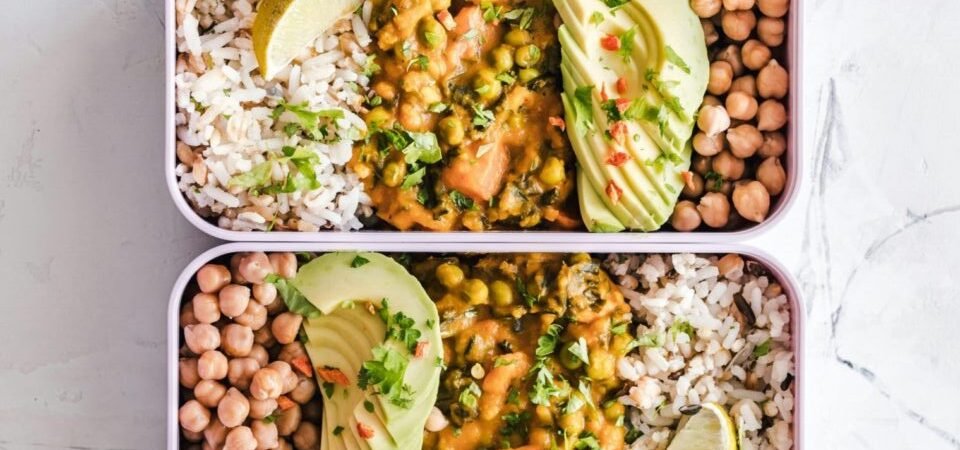
Most beginners don’t fail because they train wrong — they fail because they don’t have meals ready. Muscle growth isn’t about eating every two hours or chasing perfect timing. The real key is consistency, and consistency starts with preparation.
I’ve worked in professional kitchens for most of my adult life. Batch cooking isn’t a fitness hack to me — it’s just how food gets done properly. The same principle that keeps a kitchen running smoothly applies at home: prepare in advance, remove decision making from the equation, and execution becomes almost automatic. When I started applying that approach to my own nutrition the difference was immediate. Clean meals were always available, protein targets were consistently hit, and the stress of figuring out what to eat disappeared entirely.
By planning meals ahead you control your protein, carbs, and calories without stress. You fuel workouts, recover faster, and avoid the trap of skipped meals or fast food. That’s why meal prep is the foundation of muscle growth — it keeps you consistent long enough to see real results.
My Approach — Keeping It Simple
When I started I didn’t chase variety or try to follow every trend. I built my foundation around simple foods I could prepare in bulk:
- A large pot of chicken and vegetables — protein and micronutrients
- A large pot of rice — clean, reliable carbs
- A protein shake to fill any gaps
- Greek yogurt for extra protein and gut health
- Fruit for snacking — an apple or orange for vitamins and balance
It wasn’t complicated. But it worked. This simple structure gave me everything I needed — clean macros, steady energy, and consistency week after week.
It was also budget friendly. When you buy only the staples you actually need — protein, carbs, and a few extras — you stop wasting money on snacks and unnecessary food. Sticking to a small shopping list fuels your body and keeps your spending predictable.
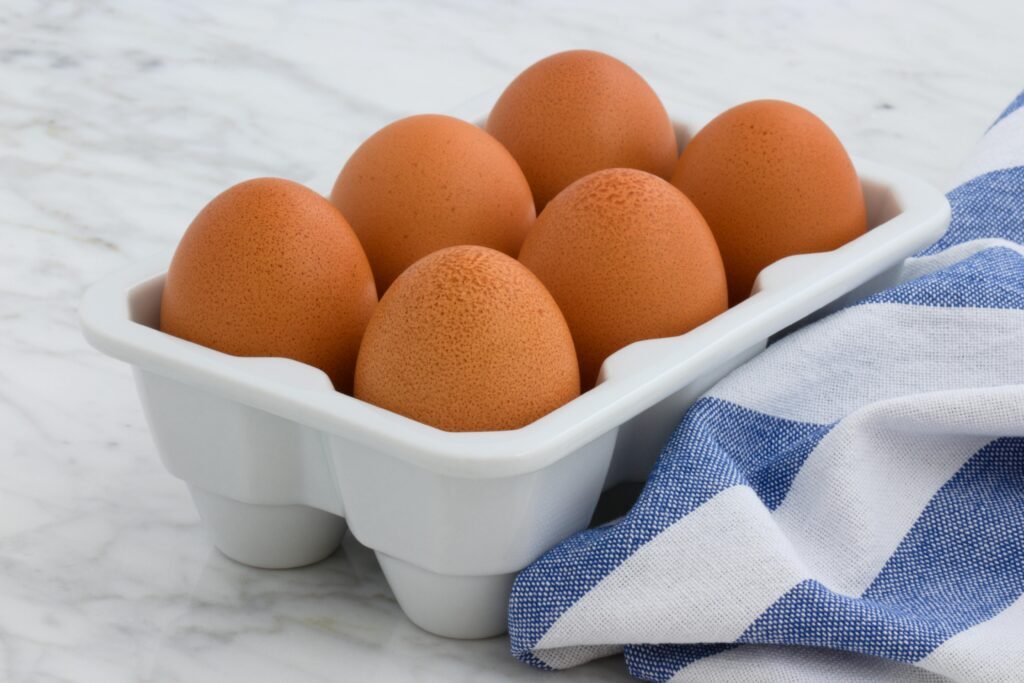
Protein — Hitting Your Numbers Without Stress
Your body needs enough protein to build muscle and recover from training. Research suggests around 1.6 to 2.2 grams of protein per kilogram of bodyweight per day is the range that maximises muscle growth for most people.
- 70kg — aim for 110 to 150g protein daily
- 80kg — aim for 125 to 175g protein daily
- 90kg — aim for 145 to 195g protein daily
You don’t need to hit an exact number every single day. What matters is staying consistently within the range over time. When meals are prepped and portioned in advance hitting your target becomes a matter of following the system rather than making decisions from scratch every day.
Personally I take a shake before training because it’s quick and easy. After training I’m naturally hungry which makes hitting the protein target for the day straightforward without feeling like force feeding.
Timing vs The Anabolic Window
For years lifters believed you had to consume protein immediately after training or risk missing a narrow anabolic window. Modern research shows this window is considerably more flexible — studies published in PubMed confirm that muscle protein synthesis remains elevated for up to 4 to 6 hours after training, meaning total daily protein intake matters far more than the precise timing of any single meal.
What matters most is hitting your protein target for the day. If your meals are prepped, that’s never a problem regardless of when you eat them.
Why planning beats timing:
- When meals are ready, timing becomes flexible
- Prepped food removes decision fatigue — no guessing, no fast food
- You never scramble for nutrition around training
- Budget stays predictable

Common Meal Prep Mistakes
Making meals too bland — if your food tastes like cardboard you won’t stick to it. Spices, herbs, and simple sauces keep meals enjoyable without complicating the prep.
Prepping too little — cooking for one day at a time leads to inconsistency. Batch cooking three to four days worth gives you a safety net when life gets busy.
Ignoring variety — rotating proteins keeps nutrition balanced and prevents boredom. Chicken one batch, beef the next, fish occasionally.
Skipping balance — only prepping protein and forgetting carbs or fats leaves meals incomplete. Pair protein with rice, potatoes, or healthy fats for steady energy through training and recovery.
The Time Saving Advantage
Cooking once or twice a week frees up five to seven hours across the week. Instead of figuring out meals every day you invest the time upfront and the rest of the week is covered. That time goes toward training, recovery, or rest — all of which support muscle growth.
A simple weekly structure:
Sunday — cook a large batch of chicken, rice, and vegetables, portion for Monday through Wednesday.
Wednesday evening — quick cook of beef, potatoes, and greens, portion for Thursday and Friday.
Snacks on standby — yogurt, fruit, protein powder.
This keeps meals fresh, balanced, and stress free. Adjust the proteins and carbs week to week for variety while keeping the structure consistent.
FAQ
Do I need to hit my protein number exactly every day?
No. A little under or over isn’t a problem. Consistency over time is what matters — not perfection on any given day.
Is it bad if I miss a post workout meal?
Not at all. You have up to four to six hours after training to get protein in and stimulate muscle protein synthesis. A prepped meal eaten an hour or two later works just as well as an immediate shake.
Do I have to eat the same meals every week?
No. Many people find it easier to prep staples — chicken, rice, vegetables — and rotate the proteins and carbs week to week. Same system, different food. That balance between structure and variety is what makes it sustainable long term.

Summary
Meal prep takes the stress out of nutrition. Instead of worrying about timing, focus on being prepared. Keep your meals simple, hit your protein range consistently, and listen to your body. You don’t need perfection — just structure, follow-through, and steady progress.
The beauty of this approach? It’s not only healthier, it’s budget-friendly. By sticking to clean staples and prepping in advance, you fuel your body, save money, and make consistency almost automatic.
Your body will thank you for the effort you put in today — set yourself up now, and tomorrow gets easier.
Where This Fits
Meal prep isn’t a hack or a shortcut — it’s what consistency looks like in the kitchen. When you stop leaving nutrition to chance everything else starts to feel more manageable. Training gets better fuel, recovery actually works, and daily decisions stop feeling like willpower battles.
If you want to understand where nutrition sits alongside training and mindset, The 3 Pillars of Fitness breaks down how all three connect and why neglecting any one of them stalls progress on the other two.
Prepping meals to support muscle growth is one side of the equation. The other is making sure what you eat is helping your body repair itself after hard sessions. Nutrition for recovery pairs directly with what you’ve just read here — and if you want to understand why the recovery window matters, Why Recovery Matters gives you the full picture on what’s happening between workouts.
Once your nutrition is dialled in, the next question is what to do in the gym. Beginner gym workouts for strength is the practical starting point — put the prep to work.
Join The Conversation
What does your meal prep system look like — do you batch cook for the week or keep it more flexible? If you’ve found a staple combination that works consistently for your schedule and your training, drop it in the comments. Someone reading this is probably looking for exactly that.