This is me at 23, I was underdeveloped, low on confidence, and stuck in a life that made me feel smaller every day. My dad had passed when I was 19, my mum was an alcoholic who had abandoned me years earlier, and my sister turned against me until I was eventually forced out of the house.
At work, I was exploited, made fun of, and humiliated. For a long time, I had nothing but myself — and I pretended that drifting and playing the victim was okay. But deep down, I knew I was lying to myself. I felt horrible, and the only way out was to face the truth.
The truth was simple: the way I was living wasn’t working. If I wanted different results, I had to start making different choices.
How I Started
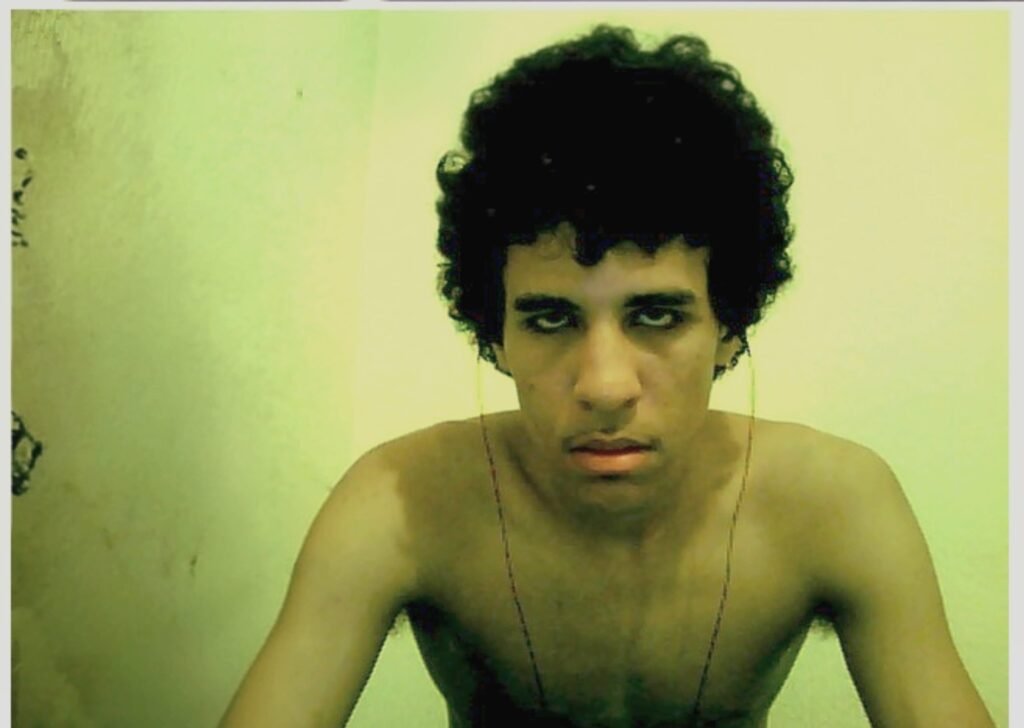
By 27 I was working 60-hour weeks in a kitchen, partying, drinking, trying to train but never with any real focus. I was everywhere and nowhere. That pace eventually broke me. I had a meltdown. I knew I couldn’t keep living like that — burning myself out for a lifestyle that felt good in the moment but left me empty and angry when it faded.
Around that time I met someone who introduced me to the gym. He showed me the basics and I loved how it made me feel. But when he wasn’t there I didn’t have the confidence to go back alone. That was the problem in a nutshell — I hadn’t built anything for myself yet.
Then lockdown hit. I made a promise: when this ends, I’ll come out stronger. I started running almost every day. Running had always been a weakness — I’d struggle to breathe, my heart giving out as soon as it got uncomfortable. But I kept at it. I noticed that in the kitchen, under heat and pressure, my heart and breathing held up better. My stress tolerance improved. That was my first real understanding of what a healthy body gives you beyond how it looks.
Then I injured my ankle. Couldn’t run anymore. So I poured everything into strength training instead. I scraped together a cheap bench, a barbell, a couple of dumbbells, and a pull-up bar for the doorframe. I practiced the fundamentals over and over — pull-ups, bench press, squats, deadlifts. I injured myself more than once from pushing without proper knowledge. But those early years gave me my first real results and one lesson that shaped everything after: consistency builds progress, even when the setup is far from perfect.
Then sciatica nearly took it all away.
I hurt my back badly during a squat and it turned into sciatica. I assumed it would heal with time. Weeks passed, then months. The pain was constant — at work, standing for long periods became unbearable. It made me depressed, limited, and angry. I was traveling as a chef at the time, still in pain, trying to stretch and figure it out alone with no one to talk to, just trying to survive and pay my bills. This went on for almost two years.
I refused to rely on painkillers without addressing the root cause. So I researched. Eventually with the help of AI I built a recovery menu — glute drives, side planks, the stair master, backwards walking, back extensions, Bulgarian split squats, leg press. I worked through those movements for months, monitoring every small sign of progress. There were setbacks. I pushed too soon once and flared it up again. But I knew I was moving in the right direction — I could stand for longer, extend my leg further, feel the sharp pain gradually receding. I stayed patient because the alternative was giving up and I wasn’t prepared to do that.
The Romanian deadlift was the final piece. Once I could hinge properly and load the posterior chain without pain, something unlocked. I could squat again. I could round my back without limitation. I was 99% recovered — and stronger than I’d been before the injury.
Consistency builds progress, even if the setup is far from perfect.
What Changed
At first I thought training was just about lifting weights and putting in hours. It didn’t take long to realise that progress stalls if you don’t look at the bigger picture.
Real growth wasn’t only about the workouts. It was about everything I fed myself physically, mentally, and emotionally. If I was eating poorly, staying up too late, or carrying stress, it showed in my training. The gym wasn’t just building muscle — it was teaching me discipline. Every rep was a reminder that results come from structure, recovery, and respect for the process.
My old life was about escaping reality. Training forced me to face it. That’s when it clicked — fitness wasn’t just something I did. It became the foundation for how I lived. I started to like myself more. I became more structured. I felt more confident. It made me better at everything else.
Where I Am Now
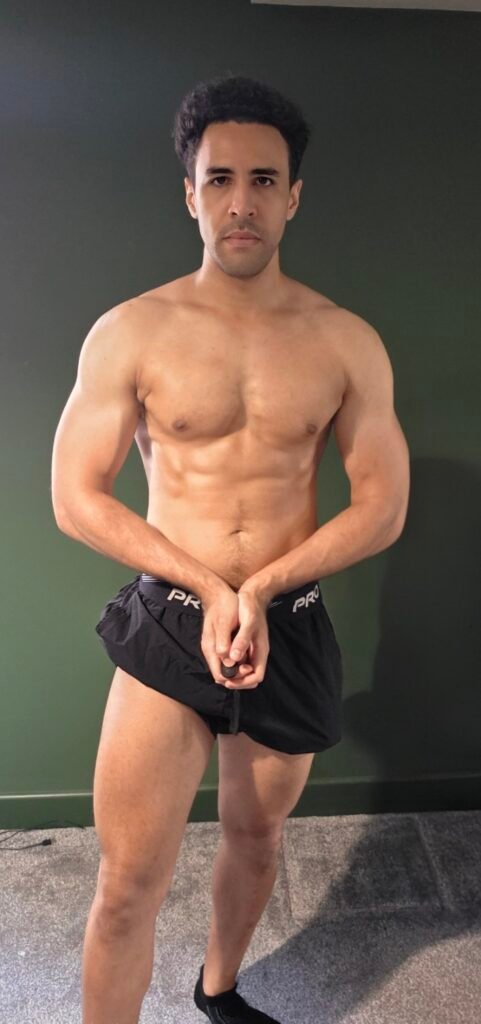
This is me at 35. I’m in a better place than I ever imagined at 23. Not because things got easier — because I got stronger. Every time something has gone wrong in my life I’ve trained harder and come out the other side more capable than before. Fitness didn’t just change my body. It gave me structure when I had none, confidence when I had none, and a way of dealing with problems that actually works.
I wouldn’t be writing this blog without fitness. I don’t know where I’d be without it. Fit Fuel Daily exists because I want to teach the movements and principles that changed my life — starting with the basics, building through the progressions, and giving people the same foundation I had to figure out mostly alone. The information on this site comes from lived experience. That’s the only kind worth trusting.
Where This Fits
A transformation isn’t just about what happens in the gym. It’s about building a version of yourself that shows up, does the work, and keeps going even when motivation runs dry. That mental shift is the foundation everything else sits on.
Once your mindset is in the right place, the next step is giving it something concrete to work with. How to Structure Your Workouts as a Beginner breaks down exactly how to take that drive and turn it into a real, repeatable training plan — one that grows with you instead of burning you out.
But structure alone won’t carry you through the hard stretches. That’s where Strength Respects Consistency: Lessons from the Barbell comes in. It’s a honest look at why showing up over and over — even on the flat, unremarkable days — is what actually moves the needle.
And if you haven’t locked in your goals yet, don’t skip that step. Setting Fitness Goals: The First Step to Success will help you get clear on what you’re chasing and why, so your effort has direction and not just energy behind it.
When the mind and the plan are aligned, the results follow. That’s the real formula — and it’s simpler than most people think.