Latest posts
-
Muscle Burn vs Muscle Failure: Why You Stop Before Your Muscle Does

Pick up a dumbbell so light you could hold it all day. Curl it slowly, elbow pinned, and squeeze the bicep at the top like you’re trying to make it cramp. By the fourth rep it’s unbearable. You put it down. Now pick up one twice as heavy. Swing a little, let the elbow drift…
-
How to Do a Seated Dumbbell Shoulder Press: Proper Form for Beginners
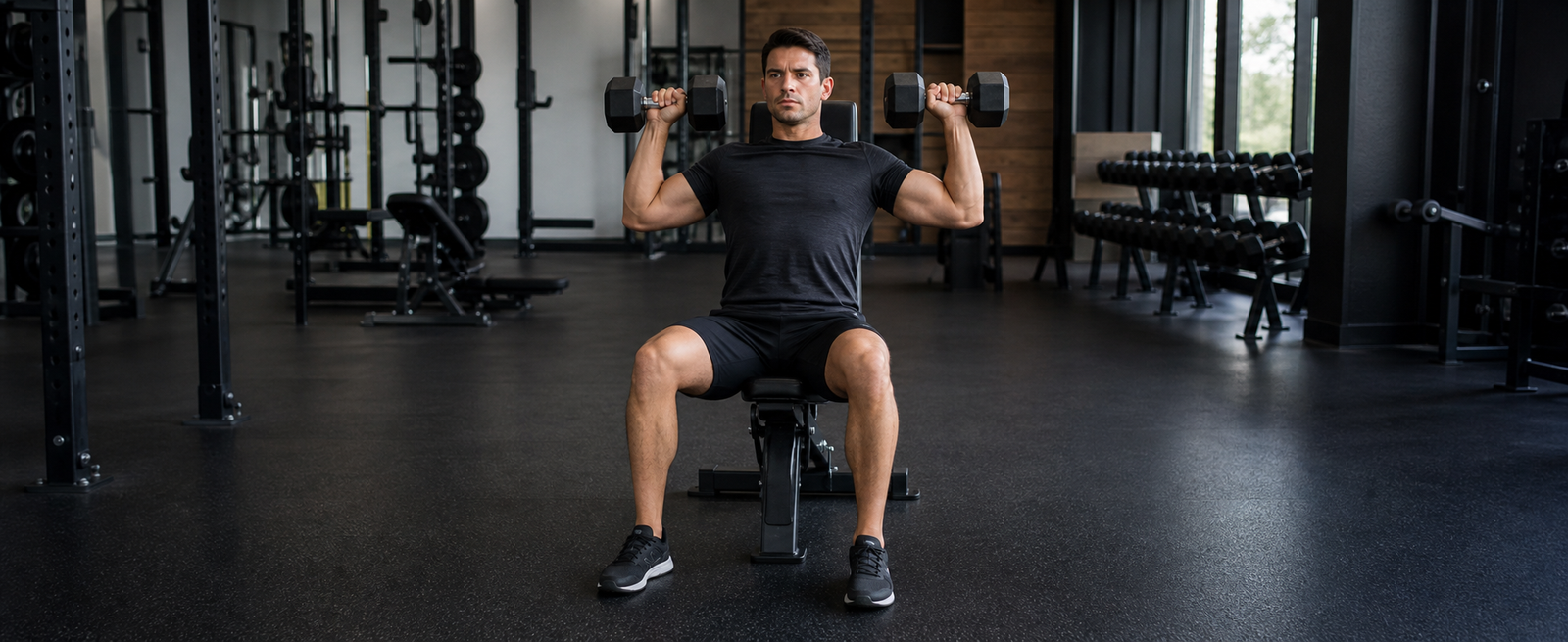
The seated dumbbell shoulder press is the version of overhead pressing that lets your shoulders do their own work. Sit down, put your back against a pad, and everything your body would otherwise spend holding you upright goes quiet — so the effort lands where you wanted it, and you find out what your shoulders…
-
Overhead Press Lower Back Pain: Why It Happens and What to Change
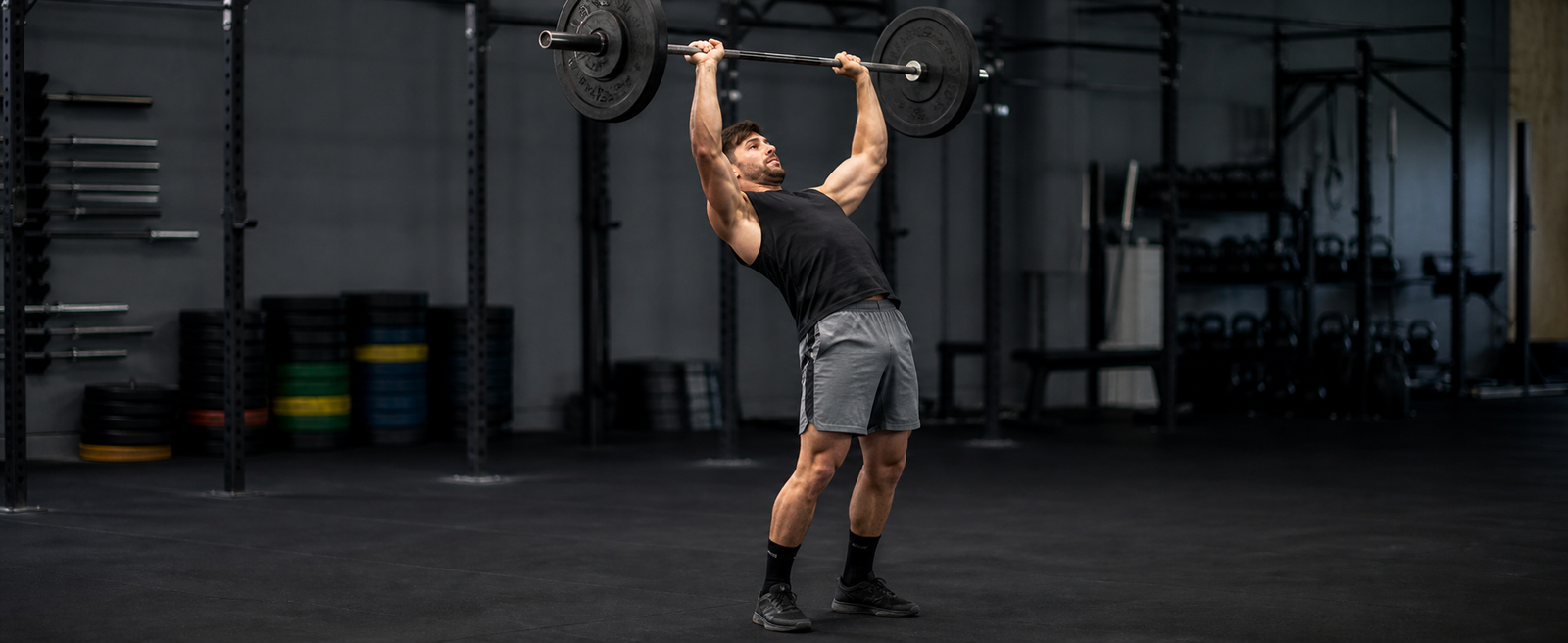
If your lower back aches during or after an overhead press, the most likely reason is not your back. It’s that the barbell is heavier than your shoulders can press from that position — so your spine steps in to finish the job. I have a serious back injury behind me, a squat that cost…
-
What a One-Rep Max Actually Does (And Whether You Need One)

I watched someone take 140kg on the bench for a single last week. He had a spotter, he got it, and there was nothing obviously wrong with the lift. But one side of the bar came up before the other, and the bar came down fast and got pressed hard off the chest rather than…
-
Resistance Band Exercises: What a Band Is Actually For
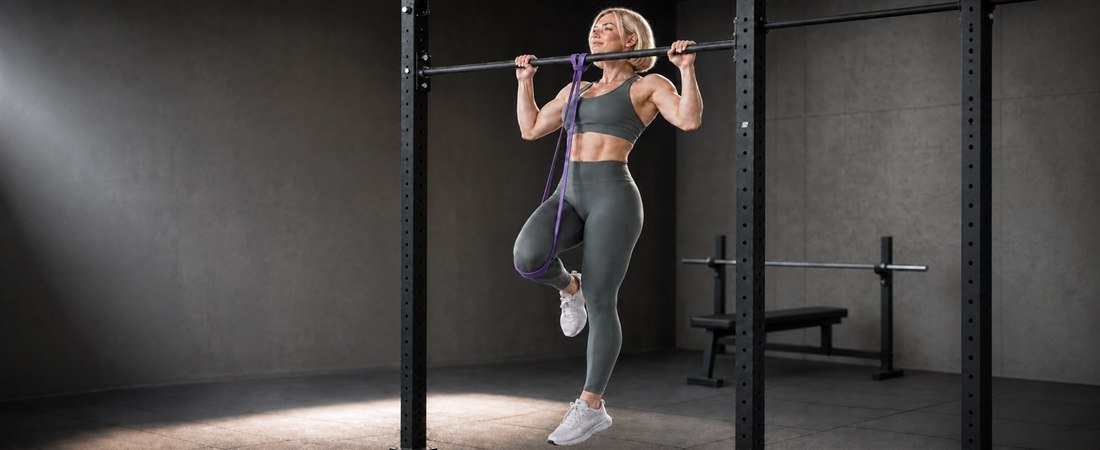
Resistance bands get sold on convenience. Cheap, light, fits in a drawer, works in a hotel room. All true, and all beside the point. The useful thing about a band is what it does to a movement. A dumbbell only ever pulls toward the floor. A band pulls in whichever direction you anchor it —…
-
How to Do Side Bends (And Build the Lower-Back Support You’re Missing)

Side bends train the one direction your core rarely gets worked — sideways. Most core exercises fold you forward or hold you rigid; the side bend loads the bend to the side, building a waist that stays strong when weight tries to pull you over. It’s the missing piece in a core that can hold…
-
How to Do a Wood Chopper (And Train the Rotation Your Core Is Missing)

Most core training only works your midsection in one direction — crunches fold you forward, planks hold you still. The wood chopper trains rotation — the twisting and turning that moves force from your hips through your trunk. Build it and you get a midsection that’s strong through the middle, not just on the front.…
-
How to Do a Calf Raise (And Finally Feel Your Calves Working)

Calves have a reputation for being stubborn, and the calf raise is the direct way to train them — rise up onto the balls of your feet against resistance, and the muscle at the back of your lower leg does the work. Built up, it fills out the lower leg, strengthens every push off the…
-
How to Do a Tricep Pushdown (And Actually Grow the Back of Your Arm)
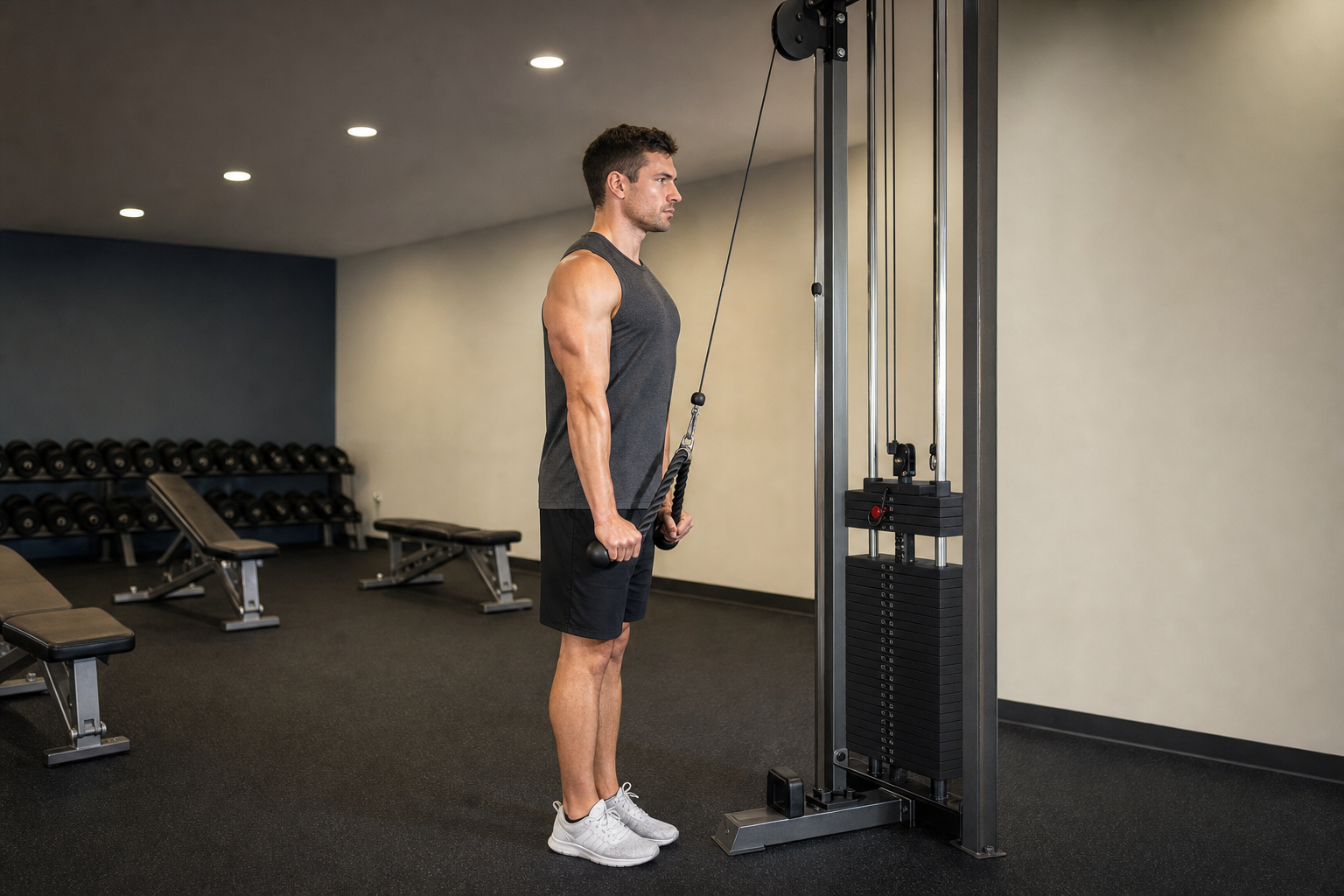
The triceps make up about two-thirds of your upper arm — more than the biceps — so if you want bigger arms, the back of the arm is where most of the size actually lives. The tricep pushdown is the simplest, most direct way to train it: a cable, a straight arm, and nothing else…
-
How to Do a Preacher Curl (And Actually Feel Your Biceps Work)
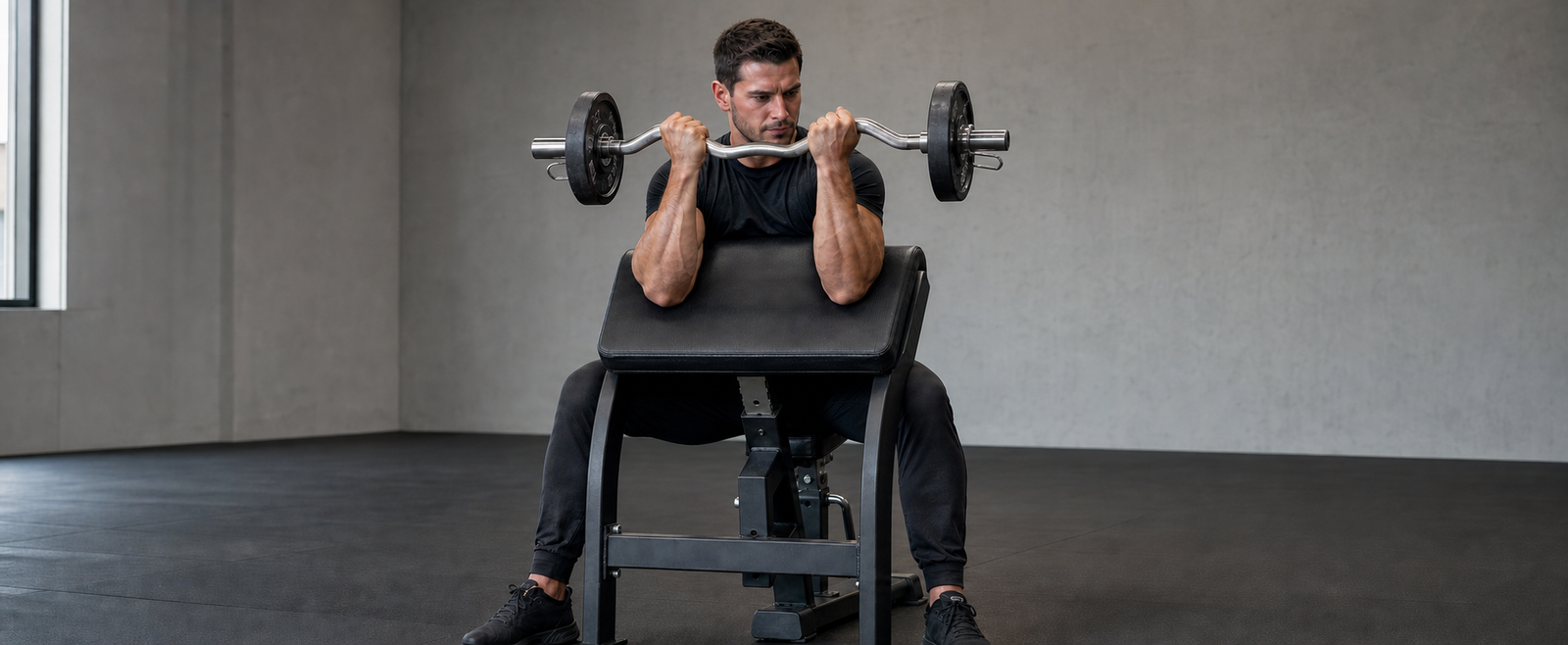
A preacher curl builds the front of your upper arm — the biceps — and it does it more cleanly than almost any other curl, because the bench takes away every way your body has of cheating the movement. Your arm is pinned in place, so the muscle can’t hand the work off to your…