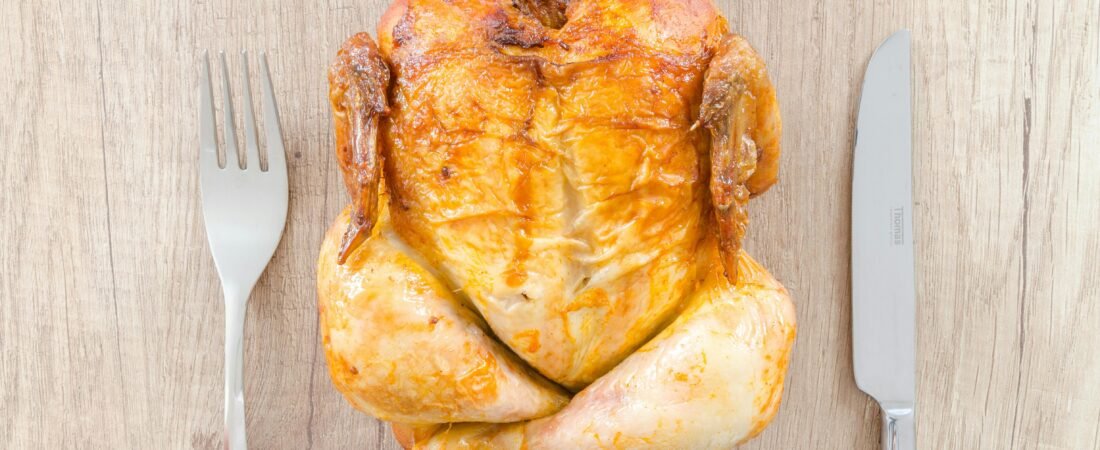
I spent years overthinking protein. Different sources gave different numbers, the advice contradicted itself, and I was never sure if I was eating too little or too much. As a chef I understood food — but understanding how much of it to eat for a specific training goal was a different problem entirely.
Eventually I stopped looking for the perfect answer and started working with a simple method. Once I had a range that made sense for my body weight and activity level, the guesswork disappeared. Protein stopped being a source of stress and became just another part of the routine.
This guide covers how much you actually need, where to get it, and how to hit your target consistently without overcomplicating it.
Why Protein Matters for Muscle Growth
Every training session breaks muscle tissue down. That’s not damage — that’s the stimulus. But your body can only rebuild from that stimulus if it has the right raw material available. Protein is that material.
Think of it like construction. The training is the demolition and redesign. Protein is the bricks. Without enough bricks, the rebuild slows down or stops. With a consistent supply, your body repairs damaged fibres, grows new ones, and comes back stronger.
Not all protein sources are equal though. Complete proteins contain all the essential amino acids your body can’t produce on its own — these are the most effective for building and repairing muscle. Animal sources like chicken, beef, fish, and eggs are naturally complete. For vegetarians and vegans, options like soy, quinoa, and combinations such as beans with rice or lentils with nuts provide a complete amino acid profile. A review in PMC outlines how complete proteins containing all essential amino acids are most effective for muscle repair and growth.
Whatever your diet looks like, hitting your protein needs is possible. It’s just about choosing the right sources.
How Much Protein Do You Actually Need
The amount of protein you need depends on your body weight and activity level. The range most lifters work with is 1.6 to 2.2 grams of protein per kilogram of body weight — or roughly 0.7 to 1 gram per pound.
To work out your range:
- Find your body weight
- Multiply by 1.6 for your minimum target
- Multiply by 2.2 for your upper target
Example for a 70kg person:
- 70 × 1.6 = 112g protein minimum
- 70 × 2.2 = 154g protein upper target
Protein needs by body weight:
| Body Weight | Daily Protein Range |
|---|---|
| 60kg (132 lbs) | 95–130g |
| 70kg (154 lbs) | 110–150g |
| 80kg (176 lbs) | 125–175g |
| 90kg (198 lbs) | 145–200g |
| 100kg (220 lbs) | 160–220g |
You don’t need to hit a precise number every day. Staying consistently within the range is what matters over time.
Training days vs rest days
On training days aim toward the higher end — your body needs more to recover and rebuild. On rest days the lower end is fine, but don’t drop protein significantly. Your body continues rebuilding muscle for up to 48 hours after a workout, which means consistent protein intake matters even when you’re not training. Research published in PMC supports the importance of consistent protein distribution across the day, not just around training sessions.

What Hitting Your Protein Goal Looks Like in Food
Using 150g as an example — a reasonable daily target for someone around 70 to 80kg:
Meat based:
- 3 chicken breasts — 120g protein
- 2 whole eggs — 12g protein
- 1 cup Greek yogurt — 18g protein
- Total: 150g protein
Mixed — meat, dairy, and plant:
- 200g lean beef mince — 50g protein
- 1 cup cottage cheese — 28g protein
- 1 scoop whey protein — 25g protein
- 1 cup lentils — 18g protein
- 2 eggs — 12g protein
- Total: approximately 133g — add an egg or a handful of nuts to reach 150g
Plant based:
- 1 block firm tofu — 40g protein
- 2 cups cooked lentils — 36g protein
- 2 cups quinoa — 16g protein
- 1 scoop vegan protein powder — 25g protein
- 2 tbsp peanut butter — 8g protein
- Total: approximately 125g — add an extra portion of beans or another scoop of powder to reach 150g
Once you see how straightforward it is to reach your target with real food, it stops being a source of stress.
Best Protein Sources for Muscle Growth
Animal based — naturally complete:
- Chicken, turkey, lean beef
- Fish and seafood
- Eggs
- Greek yogurt, cottage cheese, milk
Plant based — complete sources and smart combinations:
- Soy — tofu, tempeh, soy milk
- Quinoa and buckwheat
- Beans with rice, lentils with nuts
Whether you eat meat, follow a vegetarian diet, or go fully plant based, you can hit your protein targets. It takes a little more planning on a plant based diet but it’s entirely achievable. Research published in PubMed confirms that plant-based diets can support muscle development when protein targets and amino acid variety are met.
The point is: whether you eat meat, follow a vegetarian diet, or go fully plant-based, you can hit your protein targets. It’s just about picking the right sources and mixing them in a way that works for you.
Simple Ways to Hit Your Target Consistently
Add protein to every meal. Don’t leave it to chance. Include at least one solid protein source with breakfast, lunch, and dinner. It adds up faster than you expect.
Batch cook once or twice a week. Cooking large portions of chicken, beef, or lentils ahead of time removes the daily decision and keeps protein ready to build meals around. This is standard practice in a professional kitchen and it works just as well at home.
Keep high protein snacks available. Greek yogurt, boiled eggs, cottage cheese, nuts — simple options that fill gaps without overthinking.
Spread protein through the day. Your body can only use so much at once for muscle synthesis. Three to four meals spaced through the day is more effective than cramming it all into one sitting.
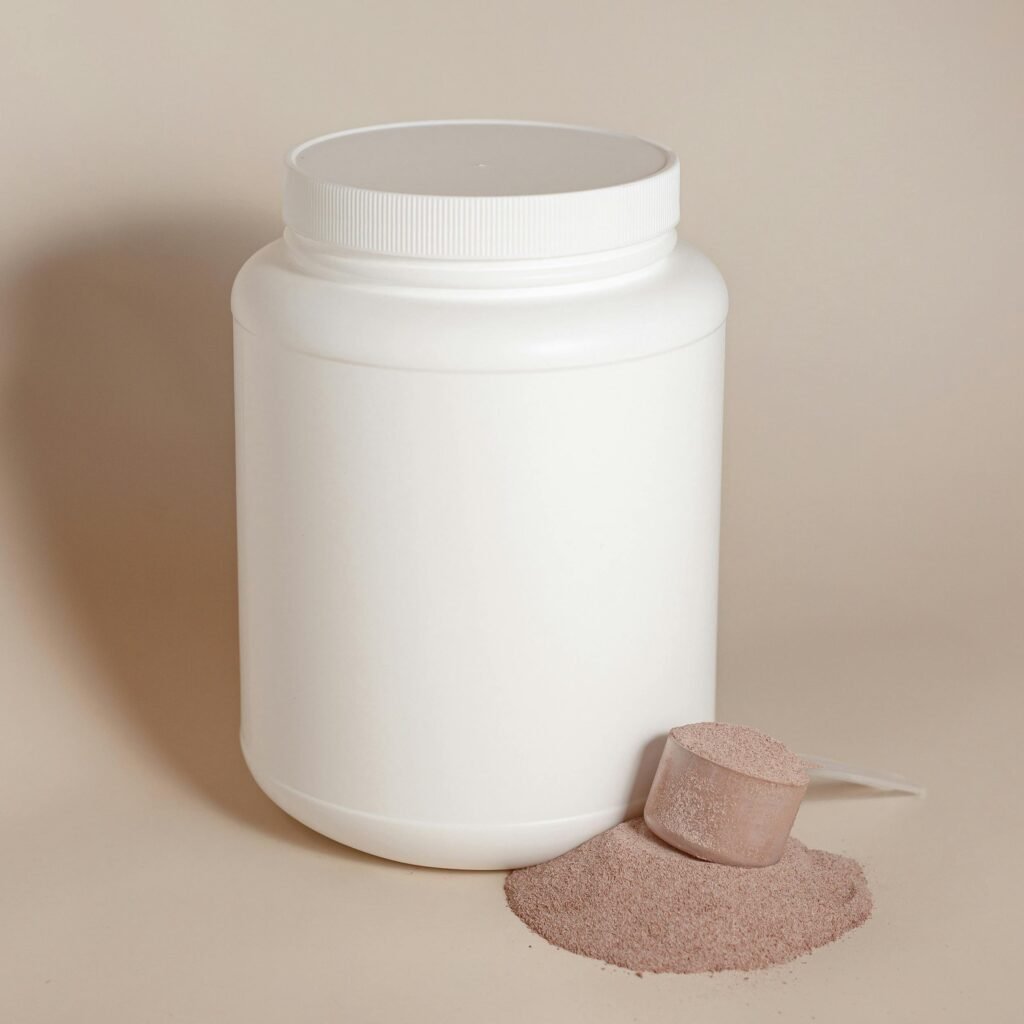
Use shakes as a backup, not a foundation. Protein powder is convenient for busy days but it shouldn’t replace real food. Think of it as a safety net, not a strategy.
The easier you make it for yourself, the more consistent you’ll be. Consistency is where results actually come from.
Common Protein Myths
Myth 1 — Too much protein damages your kidneys If you have healthy kidneys, there is no evidence that a higher protein diet causes harm. A review published in PMC confirms that higher protein intake is safe for most people, even above standard recommended levels.
Myth 2 — You need protein shakes immediately after every workout Shakes are convenient but they’re not magic. What matters most is your total protein intake across the day — a balanced meal works just as well as a shake in the post workout window.
Myth 3 — More protein always means more muscle Past a certain point extra protein is just extra calories. Your body can only use so much for muscle building — progress also depends on training quality, sleep, and overall diet consistency.
Myth 4 — You can’t build muscle on a plant based diet You can. It takes more planning to combine foods and hit complete amino acid profiles but it’s entirely possible with the right approach.
The truth is simple: protein is safe, flexible, and effective. Once you understand how much you need and where to get it, the rest is just consistency.

FAQ
Can you build muscle without protein shakes?
Yes. Shakes are a convenient option but not a requirement. Whole foods like chicken, eggs, lentils, and tofu can cover everything you need. Shakes are useful on busy days — not essential on any day.
What happens if I don’t get enough protein?
Recovery slows, strength gains stall, and over time muscle loss becomes a risk. That said, maintenance requires less than building — staying toward the lower end of your range on rest days is usually sufficient to hold what you’ve built.
What’s the best time to eat protein?
Spread it across three to four meals through the day. Your body can only process so much at once for muscle synthesis so consistent distribution is more effective than one large serving.
Do plant based diets provide enough protein?
Yes, with planning. Combining foods throughout the day or using complete plant sources like soy and quinoa ensures you get the full amino acid profile your body needs.
Where This Fits
Protein is one piece of the puzzle but it works best when the rest of the foundation is solid. If you want to understand how nutrition, training, and mindset connect, The 3 Pillars of Fitness breaks that down in a way that makes sense for beginners. Protein targets mean a lot more once you see how they fit into the whole system.
Protein doesn’t just build muscle — it’s central to how well you recover between sessions. Nutrition for recovery goes deeper on what to eat after training so your body can actually repair and adapt rather than just survive the workout. And if you’re not yet convinced that recovery deserves as much attention as training, Why Recovery Matters will change how you think about rest days.
Once your nutrition is in order the next step is putting it to work. Beginner gym workouts for strength gives you a straightforward starting point — no guesswork, no intimidation. Feed the work. Do the work. That’s what this comes down to.
Join The Conversation
Do you find it easy to hit your protein target consistently or is it something you still struggle with? Drop a comment below — whether it’s a food combination that works for you or a question about hitting your numbers on a plant based diet, it’s worth sharing. Someone reading this is probably dealing with the same thing.