
Isolation exercises have a reputation problem. They get filed under extra credit — the thing you do after the “real” work, for whatever the main movements supposedly left behind. Curls, lateral raises, leg extensions, hamstring curls. Accessories to the accessories.
That framing gets it backwards. Isolation work isn’t a lesser thing you bolt on at the end — it’s one of the tools that actually builds the fundamentals, and more often than not it’s where you find out what your bigger movements have been quietly hiding.
Whatever you’re training for — pressing more, filling out a shirt, or just doing your first full push-up — isolation isn’t the opposite of progress. Used right, it’s one of the things that gets you there faster.
Isolation Serves Your Progress

Isolation is rarely the destination — it’s a means to one. A muscle you build or learn to feel on its own earns its keep when it shows up somewhere you actually care about: a movement that felt stuck starts moving, a shape you were chasing starts filling in, a lift you couldn’t do becomes possible. That’s the job. It isn’t there to be admired in isolation; it’s there to make the training you care about work better.
Hold onto that, because the rest only makes sense through it. Isolation isn’t the point — your progress is. It’s just one of the cleanest ways to get more of it.
What Isolation Actually Does
It removes what lets a muscle hide. “Isolation” sounds simple — one muscle, one joint, nothing to think about. It isn’t. A lateral raise done with both arms at once can quietly turn into a balancing exercise, the shoulder doing less than it looks like because stability is eating the effort. Drop to one arm, brace the other hand, and the same movement at the same weight suddenly produces a contraction that was never there. Nothing got heavier — a competing demand got removed, and the muscle became available. The lateral raise lives or dies on that one detail. The same lesson turns up on a preacher curl, where more stretch at the bottom isn’t more activation — sometimes the deepest part of the range is where the muscle loses tension, not where it finds it. And on a leg extension, where sitting back into the seat instead of bolt upright is the difference between the quad doing the work and the setup doing it for you.
This is where a good machine earns its reputation back. A guided path removes the balancing job entirely, so there’s nothing left between you and the target muscle — you can slow right down, drive into the contraction, and actually feel the thing working. For isolating a muscle and learning to feel it, a good machine is often the sharper tool by a distance. It’s worth being precise about what that does and doesn’t mean, though: matched for effort, machines and free weights grow muscle about the same. The machine isn’t building more — it’s letting you find the muscle more easily. What free weights add is everything the machine takes away: the stabilising, the bracing, the whole-body coordination. Which is why the two aren’t rivals: the machine is the cleaner way to find and feel a muscle, and free weights are where you take that muscle once you can feel it, to use it with everything working together.

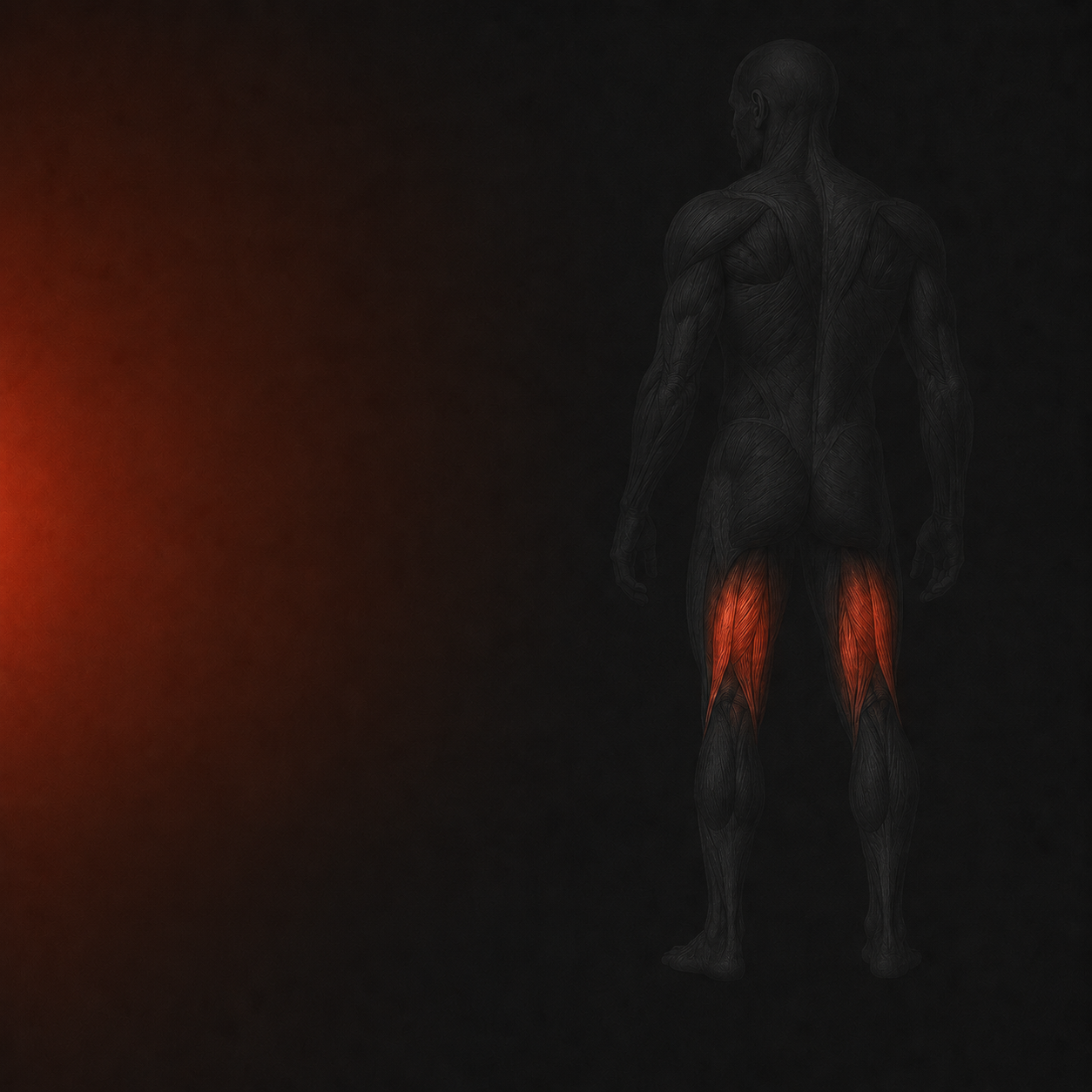
It primes a connection the compound then borrows. Trained heavy enough and done first, lunges before a hamstring curl produced the strongest hamstring contraction in months — not because the curl got easier, but because the compound movement had already taught the nervous system how to find that muscle. The hamstring curl didn’t start the work. It collected on a connection the big lift had already built. Sequence matters more than most programmes admit: sometimes the isolation exercise is there to cash in on what the compound just switched on.
It gives you a number to audit against. A deadlift goal on its own doesn’t tell you which supporting lift is holding you back — the total either moves or it doesn’t. Checking each supporting lift’s own number against what the goal actually requires does. Planning around a 200kg deadlift, glute drive was the reference point, and the audit surfaced barbell rows sitting well short of the strength that carries over to a pull that heavy. The deadlift number alone would never have shown that. Measuring the piece directly did — and a weak link you can measure is one you can actually fix.
When the Movement Isn’t Available Yet
There’s one more job isolation does, right at the start. Sometimes a compound lift isn’t hard so much as simply unavailable. Someone who can’t do a single push-up often can’t because the muscle isn’t there yet to express — the pattern has nothing to run on. Building the weak-link muscle directly, then, is a legitimate on-ramp: a way onto the movement rather than a detour around it.
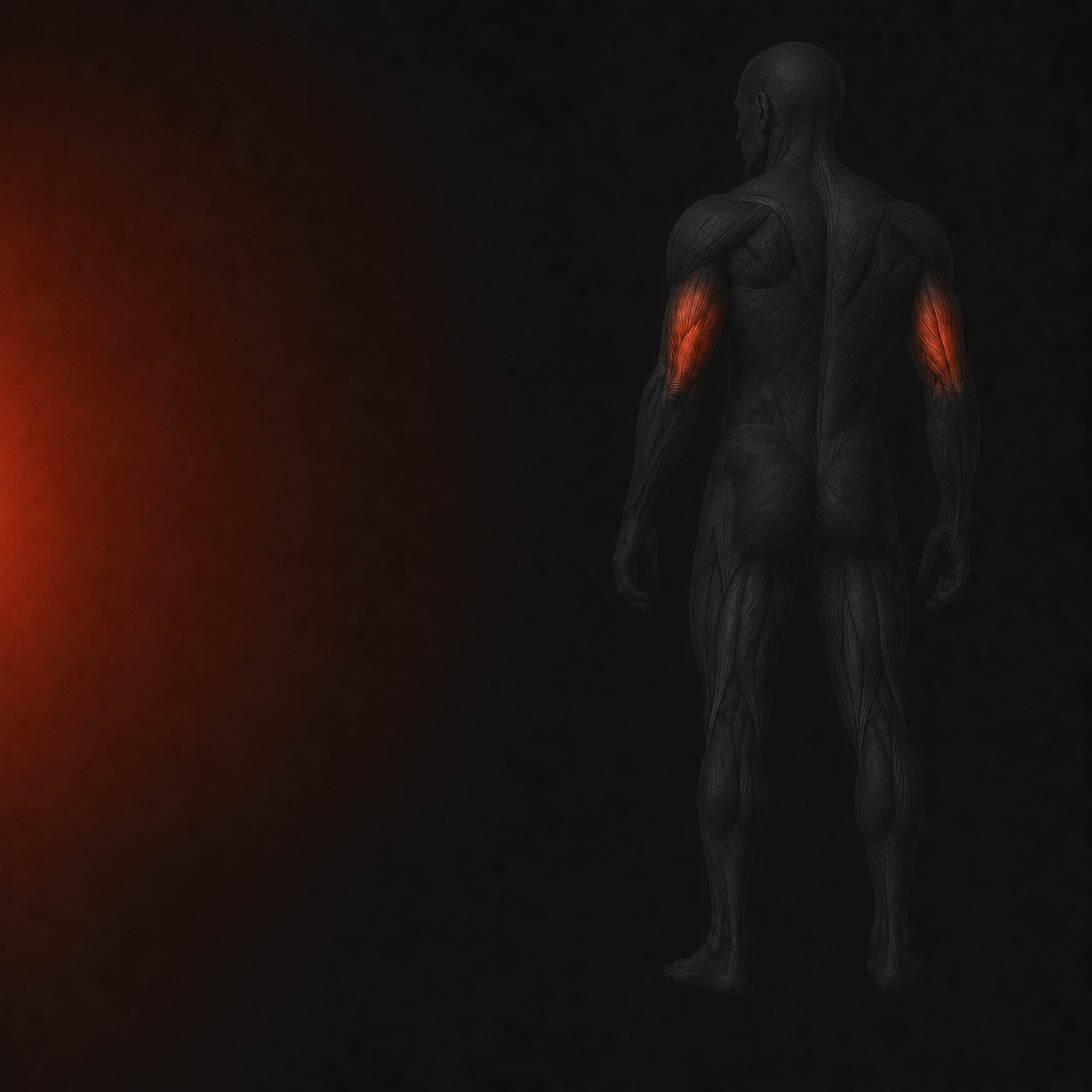
But be clear about the order, because it’s easy to overstate. The main road onto a push-up isn’t a triceps machine — it’s an easier push-up. Incline push-ups against a bench, then from the knees, then full: the regressed version builds the muscle and teaches the pattern at the same time, and beginners improve fast precisely because early progress is as much the nervous system learning the movement as the muscle growing. Isolation is the supplement here — the thing you add for a glaring single weak link, or after a long lay-off has left one muscle badly behind — not a rule that says isolate first and earn the compound later. It clears the runway. The movement itself is still the flight.
Isolation Exercises At A Glance
Six isolation exercises, the muscle each one targets, and the compound lift it’s there to fix or feed.
| Isolation Exercise | Targets | Supports |
|---|---|---|
| Leg Extension | Quadriceps | Squat |
| Hamstring Curl | Hamstrings | Deadlift (hinge) |
| Hip Thrust | Glutes | Deadlift (hinge) |
| Lateral Raise | Side deltoids | Bench press (pressing) |
| Face Pulls | Rear delts & rotator cuff | Bench press & barbell row (shoulder health) |
| Scapular Pull-Ups | Lats & scapular control | Weighted pull-ups (vertical pull) |
Who This Is For
Someone who treats isolation as filler and can’t work out why their compounds have stalled despite honest effort on the big lifts.
Someone whose compound lift has a specific sticking point — a weaker side, a muscle that won’t fire, a number stuck for months — and hasn’t yet isolated the piece that’s actually responsible.
Someone who tried an isolation exercise, felt nothing, and blamed the exercise rather than the setup.
Someone training for how they look — a fuller shoulder, more shape where the big lifts leave them flat — who’s found the compounds alone don’t put size exactly where they want it.
And someone right at the beginning, who can’t yet do the movement at all and needs a way onto it.
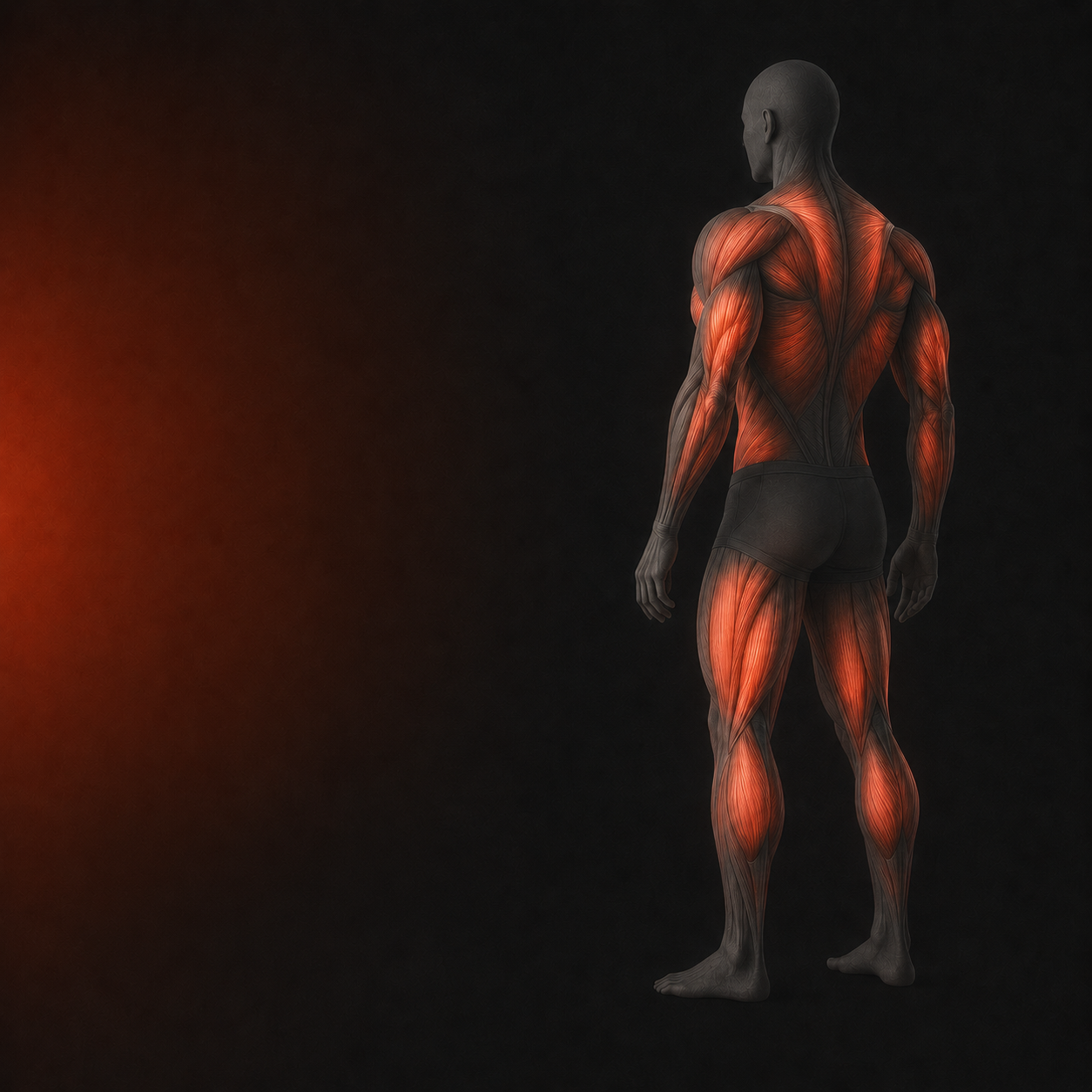
If a compound has stalled, the isolation work aimed at its specific weak point is often the more direct fix — more direct than piling on another set of the lift that’s already stuck. And an isolation exercise that seems to do nothing usually isn’t useless. It’s a muscle being trained with a setup that hasn’t found it yet.
The body grows as one connected thing — every piece matters because none of them work alone. Isolation is just how you tend the pieces, so the training you care about keeps moving forward.
Where This Fits
Every isolation exercise here connects to a bigger movement it supports — the barbell back squat, the conventional deadlift, the barbell bench press, the barbell row, and weighted pull-ups. Shoulder-health work turns up across both pressing and pulling for the same reason: the joint takes the same kind of load whichever lift is loading it.
Isolation Exercises At A Glance
Six isolation exercises, the muscle each one targets, and the compound lift it’s there to fix or feed.
Drop a comment if an isolation exercise ever showed you something your bigger movements never did — a muscle you finally felt, a weak link you didn’t know you had, or a shape that started to change. Which one, and what did it reveal?