Latest posts
-
How to Do a Hip Thrust for Beginners (With Barbell Glute Drive Progression)
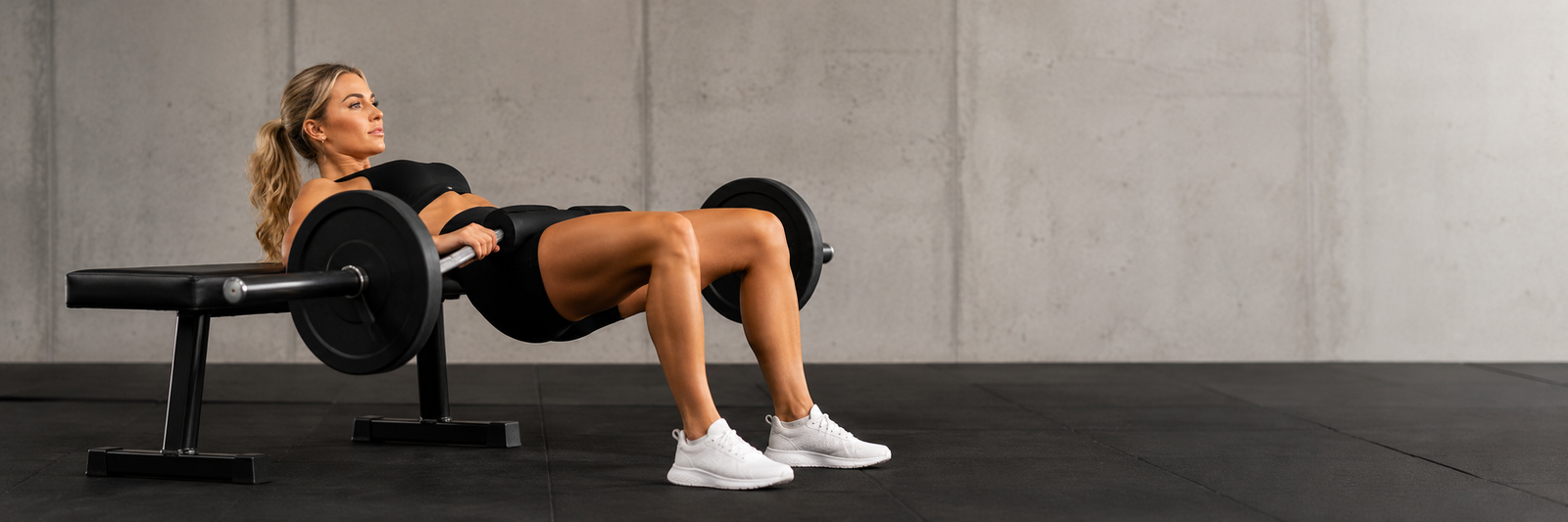
The hip thrust is one of the most effective exercises for building glute strength — and one of the most commonly done wrong. Not wrong in a complicated way. Wrong in one specific, fixable way: people feel it in their lower back or hamstrings instead of their glutes, assume it isn’t working, and move on…
-
How to Do a Heel Elevated Squat (And What It Reveals About Your Regular Squat)

The forward lean in most squats is not a technique problem. It is an ankle problem. The ankle does not have enough range to let the torso stay upright, so the torso tips forward to find depth. The body is solving a geometry problem — the lean is the solution, not the mistake. The heel…
-
How to Do a Box Squat (And Why It Makes Your Regular Squat Harder to Miss)
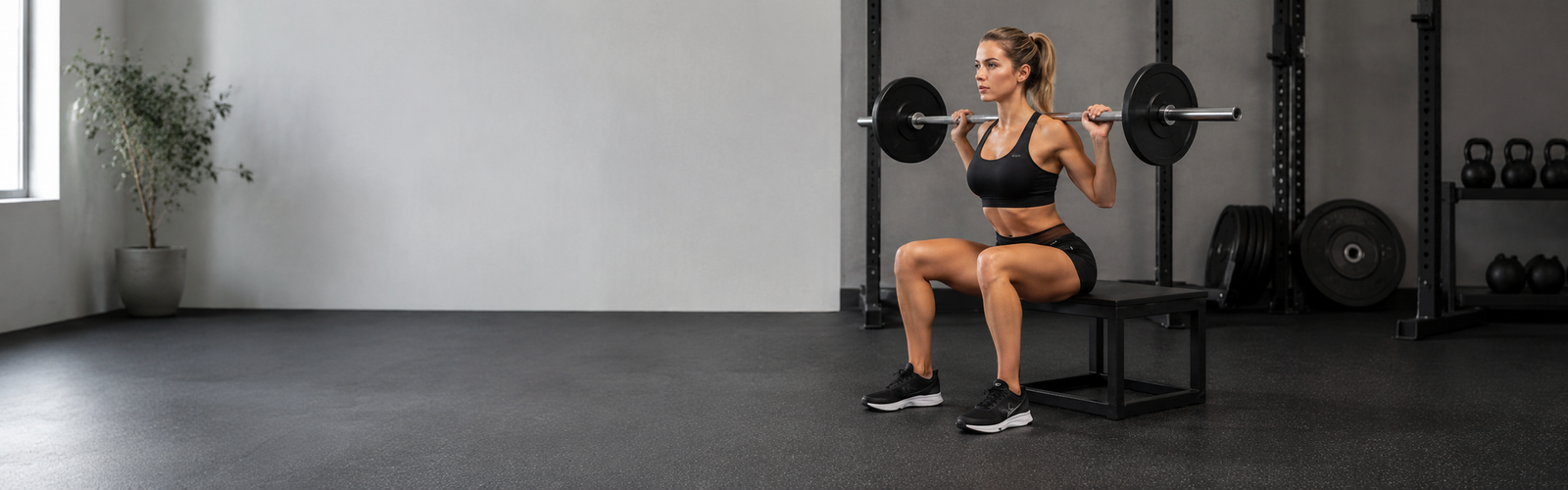
The regular squat has a built-in cheat. As you descend into the bottom position, the muscles stretch under load — and that stretch stores energy that helps drive you back up. Most squatters use it without knowing they’re using it. The descent produces a natural spring out of the bottom, and the bar moves because…
-
How to Do a Bulgarian Split Squat (And Fix the Side That’s Always Weaker)
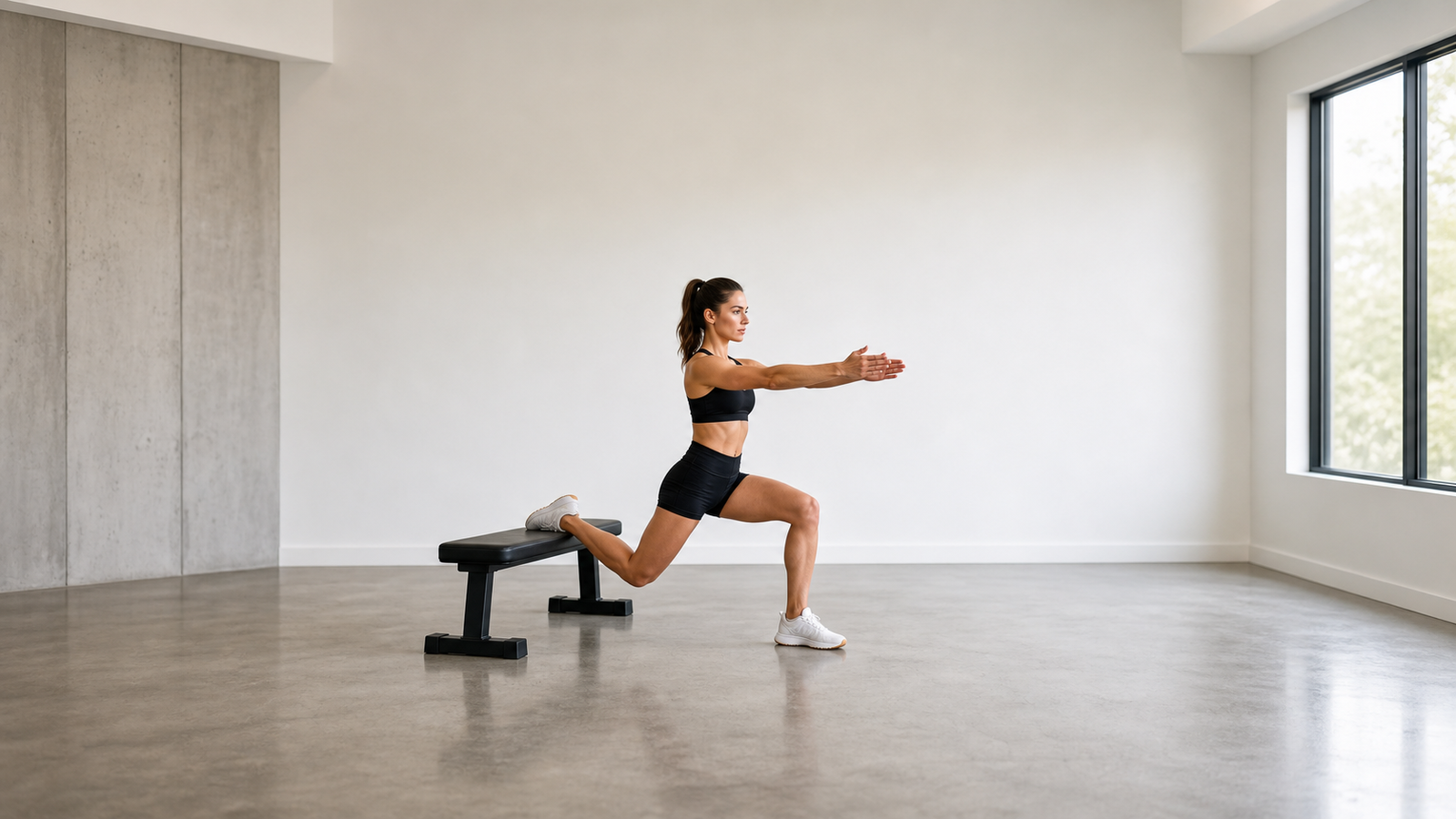
The Bulgarian split squat exposes something squatting with both feet hides. When both feet are on the floor, the stronger leg absorbs more of the load without either the barbell or the reps reflecting it. The pattern feels consistent, the weight stays manageable, and the asymmetry between sides never gets addressed because the standard squat…
-
How to Do Good Mornings
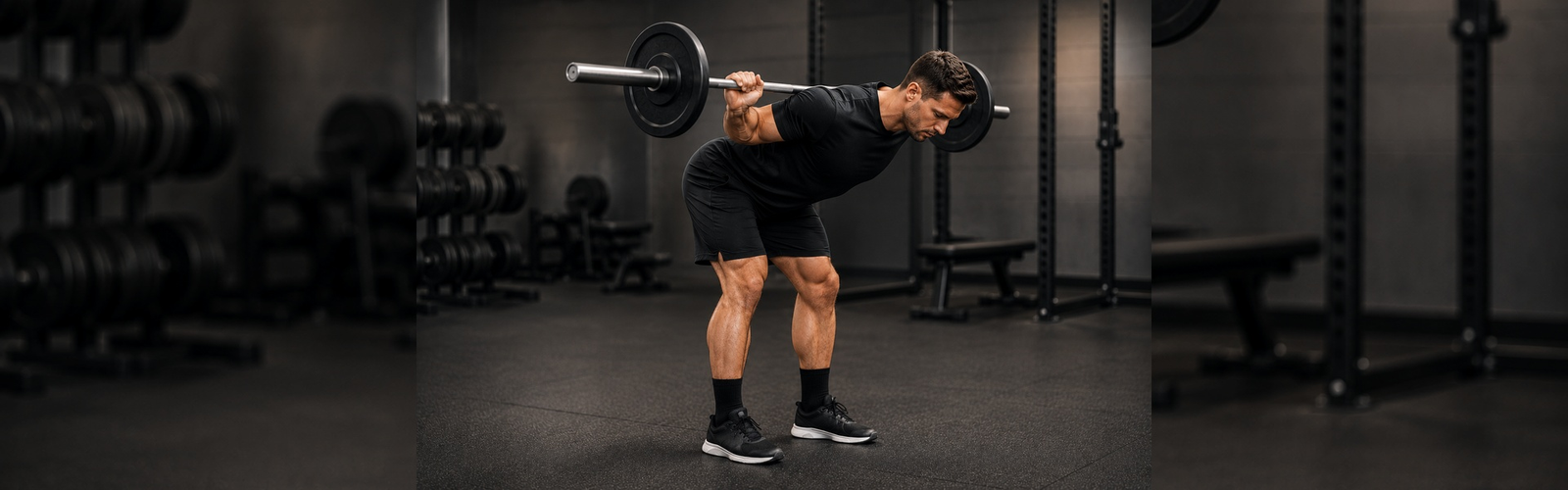
Good mornings feel like a hamstring stretch. That’s the thing most people misunderstand about them — and also the reason they work. First time under the bar at 20kg, pushing the hips back into the hinge: it feels more like stretching than strength work. That sensation is exactly right. When the bar is loaded across…
-
How to Do Banded Squats (And How to Tell If They’re Working)
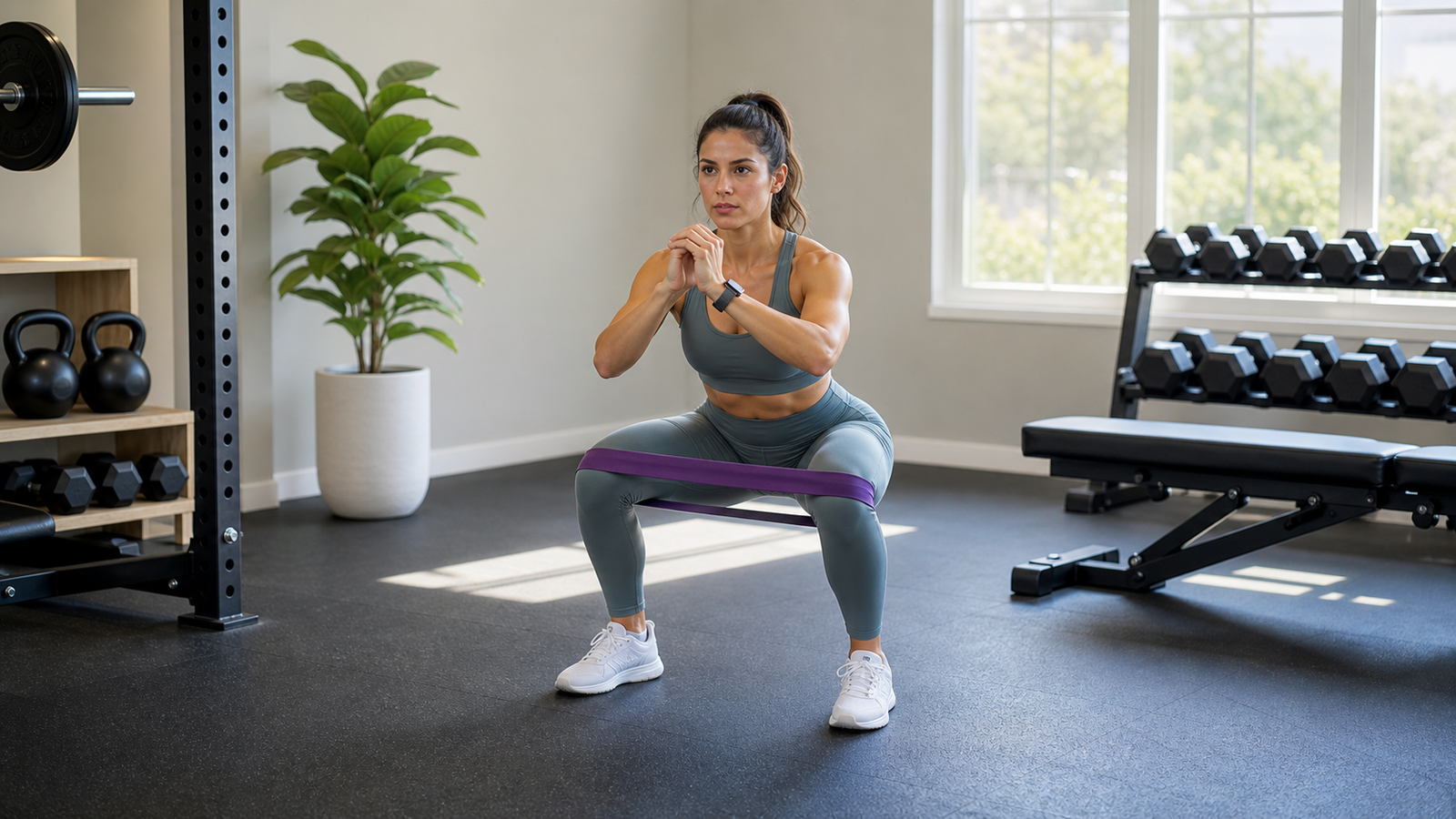
Most people’s knees drift inward when they squat. Not because they’re weak exactly — because the glutes and outer hips haven’t been trained to push back against that tendency. The band fixes that. It adds resistance in the direction of the failure pattern. Your body has to produce an answer to it. Three or four…
-
How to Do a Back Extension (And Why Most People Are Doing It Wrong)
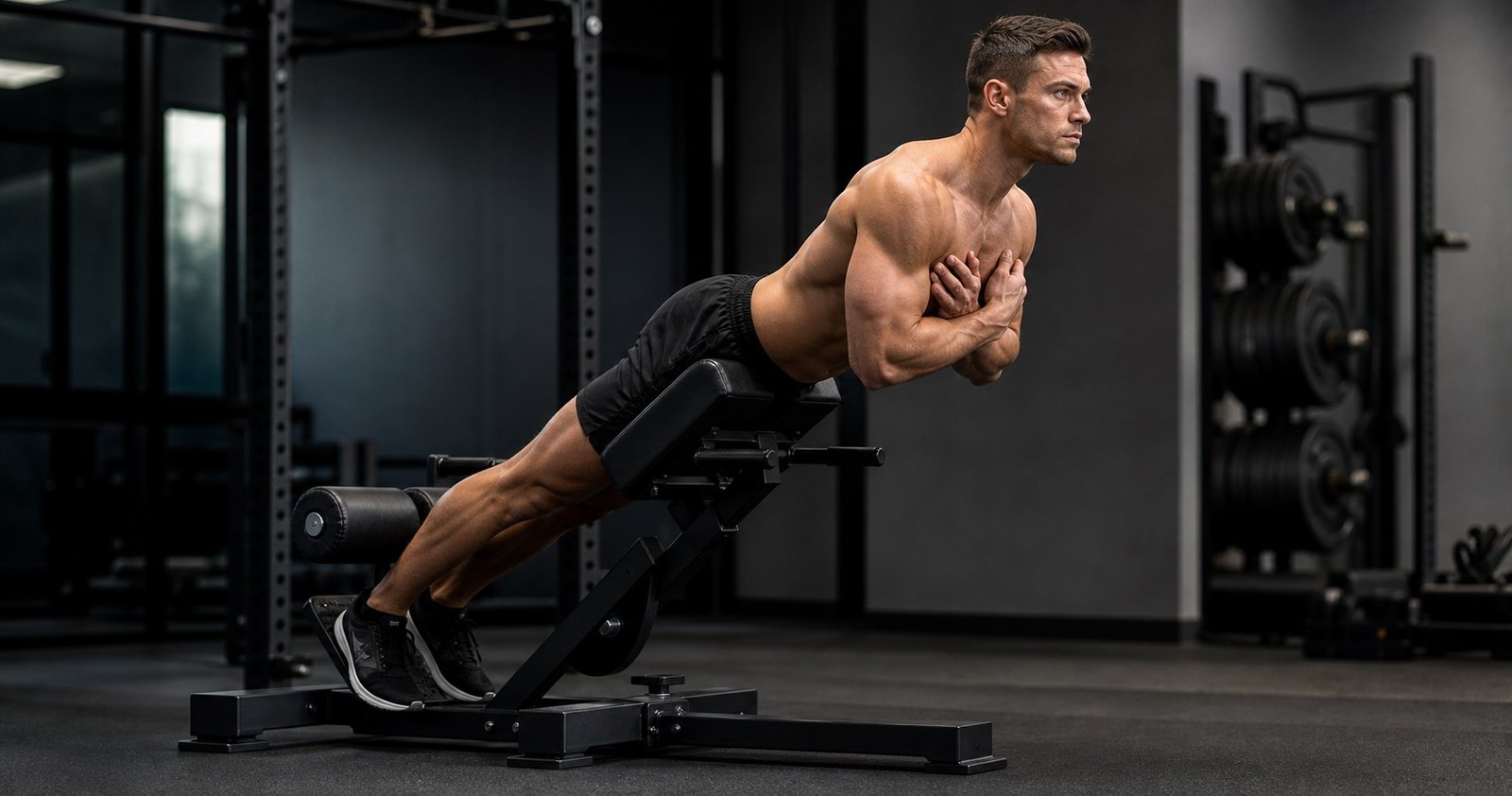
The back extension is one of those movements that looks too simple to be worth thinking about. You lower your torso, raise it back up, repeat. It’s usually done at the end of a session with a bit of weight for a few easy sets. It doesn’t feel particularly hard, which is part of the…
-
How to Do Hanging Leg Raises: Complete Guide to Advanced Core Training

The hanging leg raise looks the same whether you’re on dip bars or a pull-up bar. It isn’t. The dip bar — parallel handles that support the arms at the sides — gives the torso something to brace against. The movement is still challenging, but the body has a reference point. On a pull-up bar,…
-
How to Do Weighted Pull-Ups: A Complete Technique Guide

Weighted pull-ups came out of a specific problem. I was pressing consistently — bench, dips, overhead — and the pulling work was not keeping pace. Not because it wasn’t there, but because I hadn’t taken vertical pulling as seriously as everything else. The imbalance eventually showed up in how my shoulders felt under load: tighter,…
-
How to Do a Barbell Row: A Complete Technique Guide
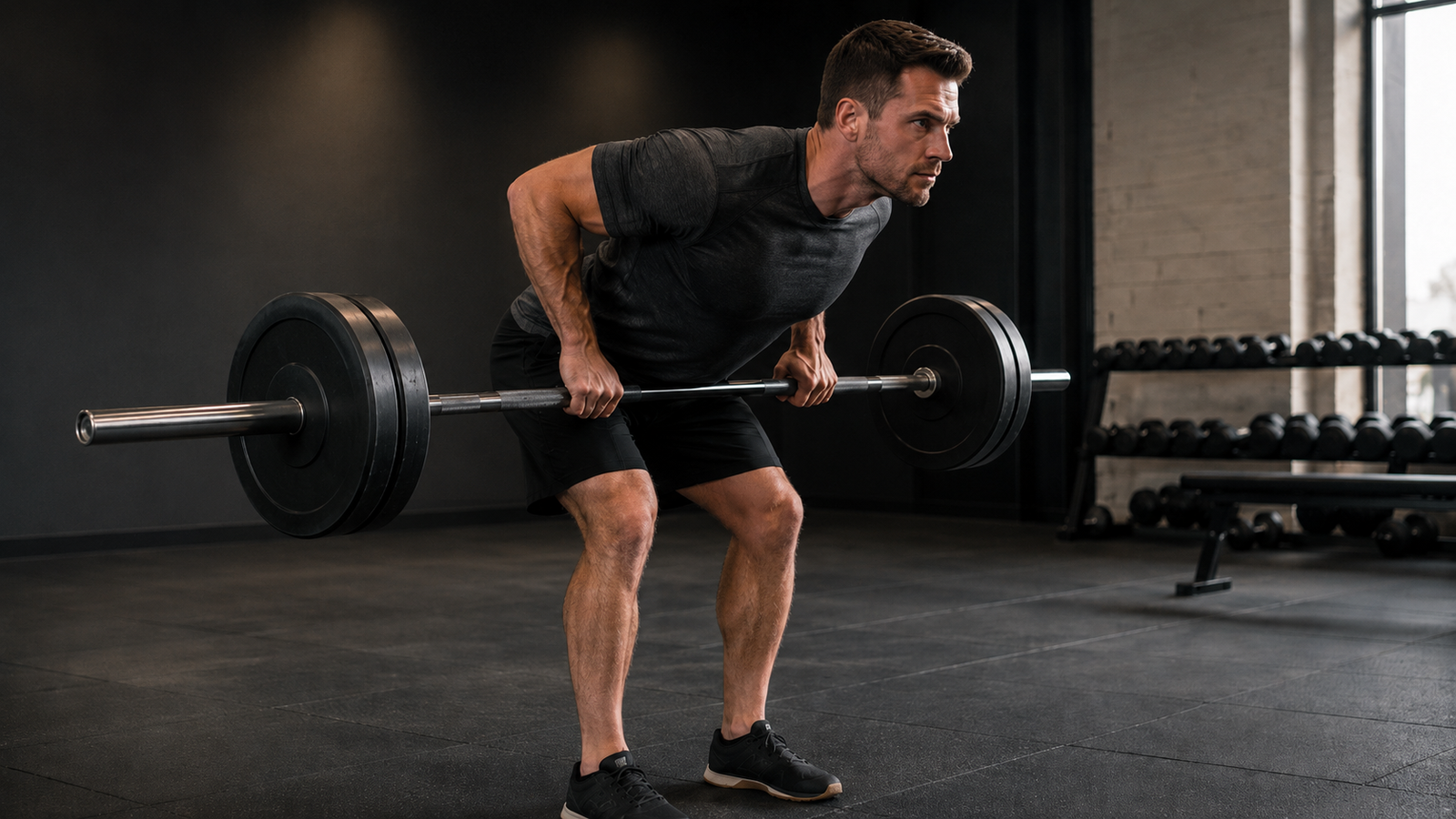
The barbell row wasn’t a movement I took to immediately. It’s demanding in a way that isn’t obvious until you try to do it properly — holding a heavy hinge position while pulling with your back rather than your arms is harder than it looks. Early on I was probably going too heavy and not…